



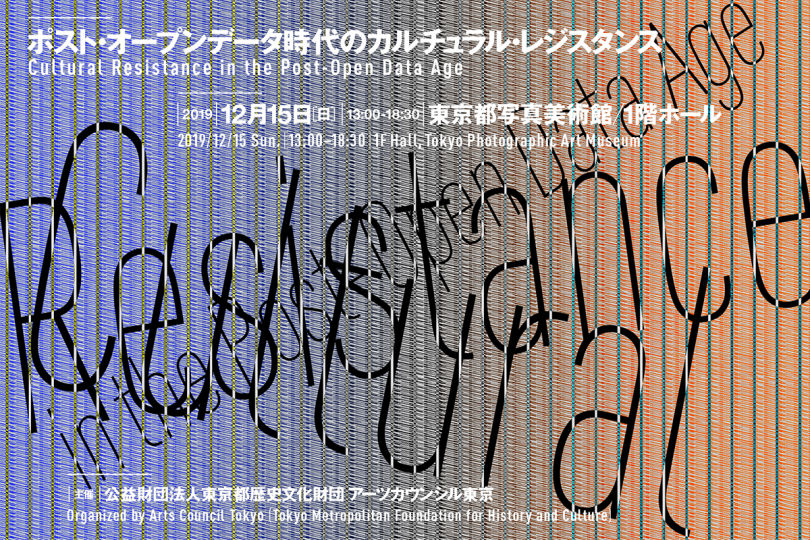
- 開催時期
- 2019年12月15日(日)13:00~18:30(開場12:30)
- 開催場所
- 東京都写真美術館 1Fホール (東京都目黒区三田1丁目13-3)
- 主催
- 公益財団法人東京都歴史文化財団 アーツカウンシル東京
21世紀に入り、IoTや人工知能、バイオテクノロジー、ロボティクスが飛躍的に発達し、20世紀にSFで物語られてきたことが現実になってきています。しかし、こうした技術革新は大きな恩恵を与える一方で、SNSをとおした情報操作やフェイクニュース、AIに潜むバイアス、ロボティクスやバイオテクノロジーを取り巻く倫理のような新しい問題が懸念されています。
他方で、地域紛争や格差社会に潜む暴力性、人間によって引き起こされる自然環境の破壊など、20世紀からの未解決な課題が依然横たわっています。技術革新によって生じる新しい課題と、アクセシビリティが急速に高まることで可視化されてゆく世界の写し鏡として、アートは今日の人々の存在と内在する葛藤を描き、社会への問いを投じてきました。
本フォーラムでは、アートとメディア、テクノロジーを社会に結びつける英国、台湾、日本の実践者を招き、こうした時代の中で、今日のテクノロジーを活用した実践的かつ先駆的な活動を紹介します。社会に潜む暴力性やバイアスへ立ち向かう活動を、彼らがどのようなモチベーションで始め、いかに社会課題を見出し、どのような方法で継続的に活動してきたのかをうかがいます。そして、文化や芸術を介し、私たちの社会に持続的に浸透していくソーシャルプラクティスの新しい可能性を探りながら、私たち自身が傍観者ではなく実践者となる方法を考察していきます。
レジリエンス── これからの文化的抵抗にむけて 山峰潤也
あるコンサル企業がSNS上の個人情報を利用して数年前の米国の大統領選で暗躍していたという記事を見たとき、物事は目にみえないデータの世界で進行していることを改めて思い知らされた。その出来事は、今日の情報技術は、気づかれることなく人々を扇動できるほど遍在化していることを示していた。それはつまり、無意識に働きかけながら世の中を動かして行く力にこそ、今の情報環境の本質があるということに他ならない。こういうことが、ハイクオリティで多彩なクリエーションを通して演出されてきた「技術が生み出す明るい未来」の反対側で起こっている。
そもそも、テクノロジーをはぐくむ原動力となったのは軍事的ニーズである。だが1960年代から70年代にかけて、商業主義や権威主義への批判からオルタナティブカルチャーが台頭した。その影響を受けたエンジニアたちによって、コンピュータは個人をエンパワメントする道具として、人々の手に渡るようになっていった。そして今日、テクノロジーはその開発や活用の機会、さらには扱うデータとしての情報やコンテンツも、人々に対して開かれている。ただ、アクセスログや位置情報などの個人情報を見えない誰かに渡し続けなくてはならない。それを思えば、テクノロジーは一人ひとりにつけられた首輪のように映るかもしれない。しかしそれでも、力あるもののための道具としてではなく、個人による意思の力から現状を打破するためにテクノロジーを使って行く、そういうことが可能な時代が訪れている。
こうした時代の動向を共有し、議論を深めるために、今回のフォーラムでは海外から二つの実践的なコレクティブを招くこととした。一つは、テロ集団によって破壊された少数民族の遺跡の3Dデータ化や紛争地域における爆撃による民間被害の実態をSNS上の画像から解析するなど、暴力に晒された弱者の存在を可視化する活動を行い、世界各地の展覧会で発表してきたForensic Architecture。もう一つは、言論の自由、オープンソース、公共益の追求をテーマに、政府機関の資金用途に関するデータビジュアライズなど、多岐にわたる活動から台湾の市民意識の向上に寄与し、ひまわり学生運動にも関わったアノニマスなシビックテック・コミュニティg0v。いずれも、文化的アプローチを継続的に行い、社会に対する一定の影響力を持って活動してきたグループである。こうした文化的活動をとおして権威構造へ抵抗してきたカルチュラル・レジスタンスについて、長谷川愛や川崎和也、砂山太一といった、今日の技術環境からオルタナティブな視点を見出してきたアーティストや研究者などの日本の登壇者とともに議論を深めていく。そこから、継続的に社会に浸透していくレジリエンスを備えた実践活動を生み出す糸口を探っていきたい。
参考動画
Forensic Architecture(フォレンシック・アーキテクチャー)THE BOMBING OF RAFAH:アムネスティ・インターナショナルとの協働プロジェクト(Black Friday)においてパレスチナ自治区ラファの爆撃地を特定するために制作された3Dモデル
プログラム
- 13:00~13:05
- 主催者挨拶
- 13:05~13:30
- 企画者より挨拶 山峰潤也
- 13:30~14:30
- セッション1「Forensic Architectureの活動からみる建築的手法や情報技術を介した抑圧への抵抗について」
登壇者:Eyal Weizman、Christina Varvia(Forensic Architecture)
モデレーター:砂山太一、山峰潤也 - 14:30~14:40
- 休憩
- 14:40~15:40
- セッション2「市民をエンパワメントする技術としてオープンデータの活用を行ってきたシビックテック・コミュニティg0vの活動について」
登壇者:Bess Lee(g0v)
モデレーター:川崎和也、山峰潤也 - 15:40~15:50
- 休憩
- 15:50~16:40
- セッション3「問題提起する思考法:アート、デザイン、建築の領域から社会、都市、環境へ」
登壇者:長谷川愛、川崎和也、砂山太一
モデレーター:山峰潤也 - 16:40~17:00
- 休憩
- 17:00~18:30
- 全登壇者によるディスカッション(会場Q&A含)
通訳:同時通訳(日本語/英語)、日中逐次通訳(登壇者全員によるディスカッションのみ)
※出演者やプログラム内容は、予告なく変更・中止になる場合がございます。
参加費
無料(要事前申込)
定員
190名
申込方法
定員に達したため、受付を終了しました。
こちら(Peatix)より必要事項をご記入のうえお申し込みください。
※個人情報は本事業の運営およびご案内にのみ使用します。
- 申込締切
- 2019年11月20日(水)~12月10日(火)
※先着順
登壇者
Eyal Weizman(エヤル・ワイツマン)(Forensic Architecture)[イギリス]

Forensic Architecture(フォレンシック・アーキテクチャー)の創始者。ロンドン大学ゴールドスミス・カレッジの空間とビジュアル文化学科教授であり、2005年同学科内にセンターフォーリサーチアーキテクチャーを設立した。世界中の大学で研究や講演を行い、著書は15冊以上にわたる。過去にはプリンストン大学グローバルスカラー招聘、ウィーン美術アカデミー教授もつとめた。国際刑事裁判所のテクノロジー・アドバイザリーボード、調査報道センターの評議員会をはじめ、複数の機関の常務や顧問を兼任する。またパレスチナのベイトサホールにある建築家コレクティブDAARの創設メンバーでもある。AAスクールで建築を学び1998年卒業。2006年ロンドン大学バークベック・カレッジのロンドン・コンソーシアムにて博士号を取得した。
https://forensic-architecture.org/
Christina Varvia(クリスティーナ・ヴァーヴィア)(Forensic Architecture)[イギリス]
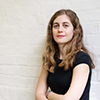
Forensic Architecture(フォレンシック・アーキテクチャー)の副ディレクターとして、プログラムのコーディネート、チーム編成、海外リサーチと新しい方法論の開発を手がける。ウェストミンスター大学(RIBAパート1)、AAスクール(RIBAパート2)で建築を学ぶ。これまでデジタルメディアと記憶、スキャンと画像技術を通した物理的環境の知覚について研究し、その研究をタイムベースド・メディアを通して展開している。現在AAスクールのディプロマ・ユニット3でユニットマスターとして教えている。また国際刑事裁判所テクノロジー・アドバイザリーボードのメンバーでもある。
https://forensic-architecture.org/
Bess Lee(ベス・リー)(g0v)[台湾]
g0v(ガブ・ゼロ)バイマンスリー・ハッカソンを主宰し、g0vシビックテック・プロトタイプ助成を行うg0v jothonのチーフスタッフ。以前はアートアドミニストレーターとして、芸術家村で地域と行うアーティストの活動を手伝っていた。g0vハッカソンを組織する“jothon”は、2012年より隔月で開催されるg0v.twバイマンスリー・ハッカソンの運営チーム。g0vのコミュニティ・インフラストラクチャー(インフラソン)にも取り組み、2016年にg0vシビックテック・プロトタイプ助成を設立している。
http://g0v.asia/
長谷川愛[日本]

アーティスト、デザイナー。生物学的課題や科学技術の進歩をモチーフに、現代社会に潜む諸問題を掘り出す作品を発表している。岐阜県立国際情報科学芸術アカデミーにてメディアアートとアニメーションを勉強した後ロンドンへ。数年間Haque Design + Researchで副社長兼デザイナーとして公共スペースのインタラクティブアートの研究開発に関わる。2012年英国Royal College of Art, Design InteractionsにてMA取得。2014年秋から2016年夏までMIT Media Lab, Design Fiction Groupにて准研究員兼大学院生。2017年4月から東京大学大学院にて特任研究員・JST ERATO 川原万有情報網プロジェクトメンバー。《(不)可能な子供、01:朝子とモリガの場合》が第19回文化庁メディア芸術祭アート部門にて優秀賞受賞。
https://aihasegawa.info/
川崎和也[日本]

スペキュラティヴ・ファッションデザイナー/デザインリサーチャー/Synflux主宰。1991年生まれ。慶應義塾大学大学院政策・メディア研究科エクスデザインプログラム修士課程修了(デザイン)、現在同後期博士課程。主な受賞に、H&M財団グローバルチェンジアワード、文化庁メディア芸術祭アート部門、Dezeen Award Design Longlist、STARTS PRIZEなど。オランダ・ダッチデザインウィーク/南アフリカ・デザインインダバ招待作家。監修・編著書に『SPECULATIONS 人間中心主義のデザインをこえて』(BNN新社、2019)。
www.kzykwsk.tumblr.com
砂山太一[日本]

sunayamastudio主宰。京都市立芸術大学美術学部総合芸術学科専任講師。建築をはじめとした芸術領域における情報性・物質性を切り口とした制作・設計・企画・批評を手がける。2004年多摩美術大学彫刻学科を卒業し渡仏。2008年ESA Parisを修了後、建築設計事務所、構造設計事務所にて勤務・協働。2011年帰国。2016年、東京藝術大学大学院美術研究科建築(構造計画)研究領域 博士後期課程 学位取得。現在、東京にスタジオをかまえつつ、京都市立芸術大学において現代芸術論、デザイン論などの理論講義をおこなう。
https://tsnym.nu/
山峰潤也[日本]

水戸芸術館現代美術センター 学芸員。1983年生まれ。東京芸術大学映像研究科修了。東京都写真美術館、金沢21世紀美術館を経て現職。メディア論を軸に、ニュー・メディアから現代美術の分野まで幅広い展覧会に従事。主な展覧会に「ハロー・ワールド ポスト・ヒューマン時代に向けて」、「霧の抵抗 中谷芙二子」(以上、水戸芸術館現代美術センター)。「3Dヴィジョンズ」「見えない世界の見つめ方」「恵比寿映像祭(第4回-7回)」(以上、東京都写真美術館)。その他の活動に、IFCA(2011年、スロベニア)、 Eco Expanded City(2016年、ポーランド、WRO Art Center)などのゲストキュレーション、 2015年度文科省学芸員等在外派遣研修員、日本美術オーラル・ヒストリー・アーカイヴ・メンバー、Asian Art Award 2017, 2018 supported by Warehouse TERRADA選考委員など。
お問い合わせ
アート&メディア・フォーラム事務局(メディア・デザイン研究所)
TEL:03-5579-2877(平日10:00~17:00 ※土日・祝日は除く)
FAX:03-5579-2878
E-mail:artandmediaforum@mdr.co.jp