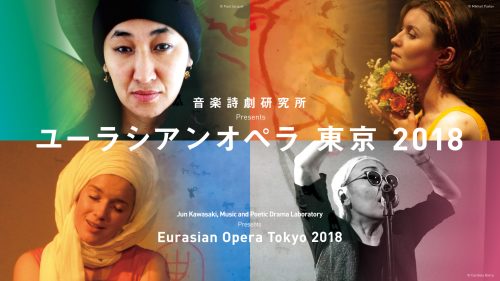

Eurasian Opera Tokyo 2018
*Information at the time of adoption.
- Name of the organization or individual
- Institute of Music and Poetry
- subsidy category
- Tokyo Tokyo FESTIVAL Grant
- Grant Type
- single year
FY 2017 Tokyo Culture Program Grant: Support for Overseas Cultural Projects


Business Overview
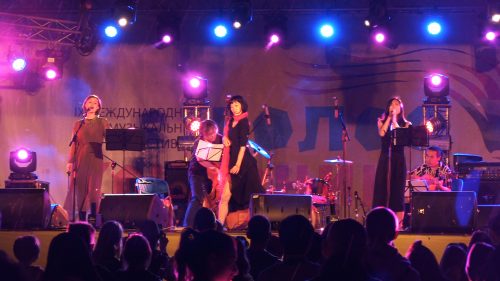
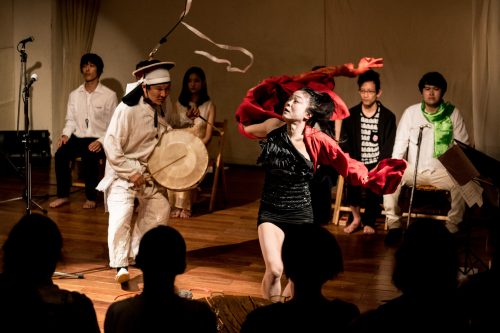
Four artists with various ethnic and cultural backgrounds who have collaborated so far will be invited from all over Eurasia to create and perform a new "Eurasian Opera" together. In addition, a concert introducing the "present" of unknown Eurasian music from Siberia, Ukraine, Turkey, and Central Asia, which until now has mainly been limited to traditional music, will be held with Japanese artists as guests. Program ・Continental Isolation (music and direction: Jun Kawasaki, art: Sainho Namchilak) ・Incredible sound vision of Eurasia in Tokyo ■ Performers Vocals: Sainho Namchilak, Saadet Türkyoz, Anya Tchaikovskaya, Mariya Koolniva, Seika Miki, Satoshi Tsuboi, Kentaro Tsuda, Akira Yoshimatsu Dance: Aya, Hiroyo Miura Performance: Michiyori Yagi (koto), Jan Grembotski (violin), Keiko Komori (clarinet), Aki Ozawa (guitar), Jae-chul Choi (Korean percussion instrument), Jun Kawasaki (contrabass), Junpei Otsuka (sho), Suzon Kuroda (shakuhachi), etc ■ Staff Yoshitoshi Shirasawa, Hideto Sangyo
- Period of Activity / Project
- Thursday, September 27, 2018, 28th (Fri), 30th (Sun)
- Venues
- Za Koenji 2 (Suginami Ward, Tokyo), Super Deluxe (Minato Ward, Tokyo)
*Information such as project outlines is provided by organizations and individuals providing subsidies.
Profile
【 Institute of Music Poetry and Drama 】
Aiming to create a unique musical drama using voice and body, they perform mainly in Tokyo with performances and workshops by the representative Jun Kawasaki, music composer and director. Since 2016, he has collaborated with artists of various backgrounds in the Eurasian continent, including Armenia, Russia, Buryatia, Turkey, and Ukraine. Musical dramas using a unique choral system that does not rely on any of the techniques of folk rituals, religion, or classical music, while tracing back to the performing arts and folklore of Japan and other parts of the world, are connected to the creation of Spain's Garcia Lorca and the traditions of modern Latin American art, such as those of Garcia Marquez, and have been called "Asian Magic Realism."