
The 262 th performance of Seinen-za Theater Company: "Persimmon Momiji no Koro"


Business Overview
In Showa 18 (1943), Japan plunged into the Pacific War. The young men heading to the battlefield and the women defending the town where the men were absent were fighting desperately.
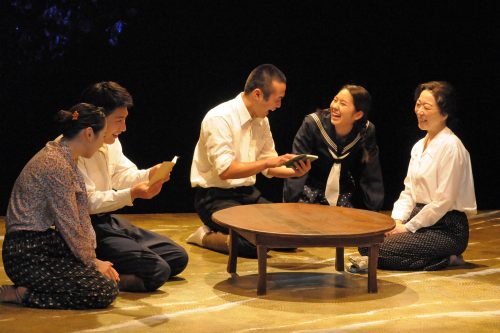
Setsuko Ogawa, a teacher at a national school in a peaceful port town a short distance from the city, struggles to uphold her beliefs and protect children in a society steeped in militarism. As the cherished persimmon tree planted with her late husband grows, the lovers of her eldest son Toru and daughter Yasue also receive red papers. His second daughter Hideko opposed Setsuko and wanted to contribute to the war as an imperial subject. Setsuko hopes that she will return alive.
It was a time when giving one's life was considered a national policy. How has the war changed the way people live? 80 years have passed since the end of World War II.
Staff:
Art: Iwase Akiko Director: Sudo Koei
Art: Negoro Misaki Lighting: Nakagawa Ryuichi
Sound: Nagano Tomomi Costume: Takehara Noriko
Stage Director: Obana Makoto
Production: Kawakami Eishiro, Tanaka Yuri
Cast:
Setsuko Ogawa = Non Nonomura
Yasue Ogawa = Kiyoka Honda Toru Ogawa = Taiki Okamoto Hideko Ogawa = Chihiro Manda
Yoshinori Takei = Kazushi Ohashi Yoneko Komori = Yoshi Endo
Teru Yamaki = Masumi Tsuda Yonesuke Kaneda = Norihiro Yamaga Mikio Hirasawa = Jun Takamatsu
Makoto Kubota = Yudai Ishizuka Robert Nishimoto = Soken Shikano
- Period of Activity / Project
- Saturday, September 20, 2025 ~ 28th (Sun)
- Venues
- The Pocket (Nakano-ku, Tokyo)
- Viewing Support Contents
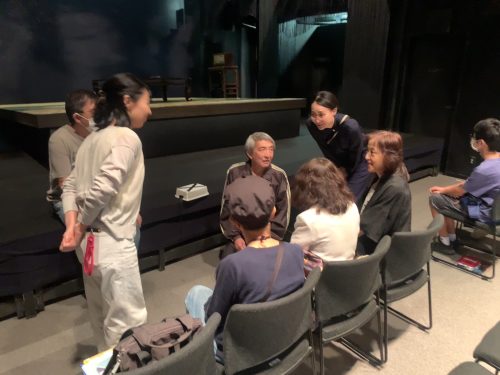
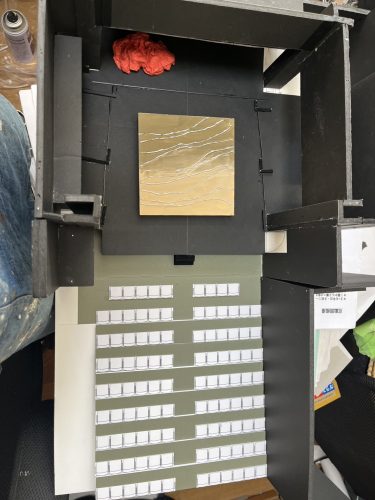
- Voice guide, one helper free of charge, advance lending of script, written communication at reception, wheelchair accessible, stage briefing, tactile model
- Viewing Support Date and Time
- Friday, September 26, 2025, 27th (Sat)
Profile
Seinenza Theater Company
In 1954, 10 young actors from the Haiyuza Theater Company established Seinenza Theater Company with a strong desire to perform creative plays that reflect the reality of Japan. Currently, there are about 200 members and research students who belong to the troupe, and besides original plays, they have a wide repertoire including foreign contemporary plays and excellent works from the past. It aims to become an artistic creative organization that contributes to the democratic development of Japanese theater and contributes to the further improvement of Japanese culture through performance activities centered on the performance of original Japanese plays, which has been its basic philosophy since its founding.