
Let's Play the Biwa and Soh of Gagaku - Etenraku Ensemble
*Information at the time of adoption.
- Name of the organization or individual
- Reigakusha
- subsidy category
- Subsidy for Traditional Performing Arts Experience Activities
- Grant Type
- single year
Grants for Experiencing Traditional Performing Arts in FY 2024


Business Overview
●Practical experience 2024. 11/6, 15, 18, 22, 29 Tokyo Concerts Lab (Shinjuku-ku, Tokyo)
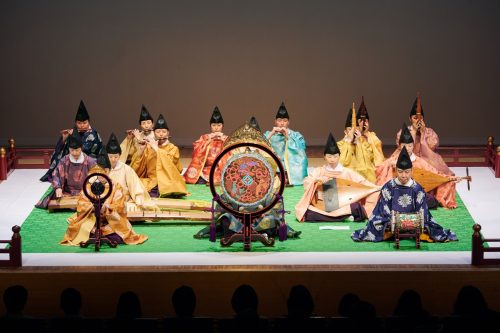
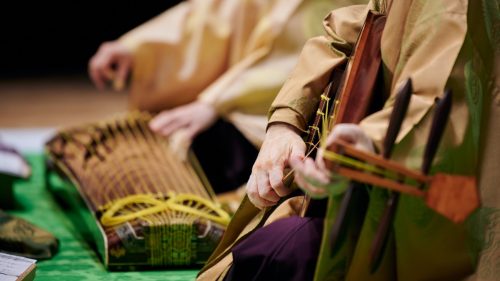
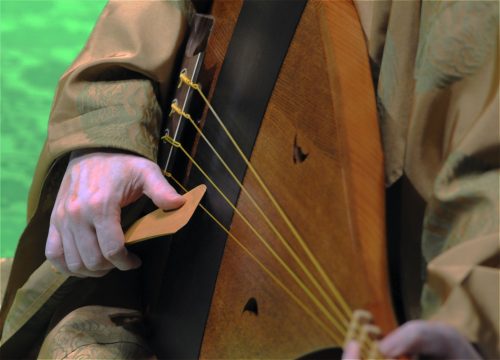
[Events to be experienced] Biwa (Japanese lute) and koto (Japanese koto) [Number of times a participant will experience practical skills (including recitals and rehearsals)] 5 times [Main instructors] Yoshiyuki Izaki, Hitomi Nakamura, Hanako Nakamura [Features of the project] Gagaku includes wind instruments, but this time, we will focus on the stringed instruments of biwa (Japanese lute) and koto (Japanese koto), which are difficult to learn. Compared with wind instruments, it is easy to 'make a sound first' and beginners can easily play it. He chose Etenraku, which is familiar to everyone, to experience. 1st < Experience > Learn the basics of how to hold an instrument, how to make sound, and how to play 2nd < Experience > Learn how to read music and play while looking at the music 3rd < Experience > Play through the music 4th < Experience > Learn how to make a good sound 5th < Experience > Ensemble [Publicity efforts when recruiting participants (collaboration, cooperation, network, etc.)] We are thinking of distributing flyers to music stores and advertising on SNS. 【 Devise to enable participants to continue practical experience (other than the subsidized project) even after the completion of the project 】 As there are few places where you can practice only the biwa and koto of gagaku on a daily basis, we hope that this experience will be an introduction to gagaku and that participants will be interested in learning wind instruments next. Many gagaku performers play both wind instruments and stringed instruments. Although there is no place to practice on a daily basis, they can experience stringed instruments that are easy for beginners to start (they can produce sounds easily), and listen to wind instruments up close during the ensemble, which leads to continuous practice and further interest in gagaku.
- implementation period
- Friday, Wednesday, November 6, 2024 - 29th
*Information such as project outlines is provided by organizations and individuals providing subsidies. - Place of implementation
Profile
[General Incorporated Association Reigakusha]
Gagaku performance group. It was established by Sukeyasu SHIBA in 1985. Current music director Miyata Mayumi. Since its establishment, it has actively engaged not only in the current classical pieces of Gagaku, but also in the reproduction of abolished pieces, the restoration of Shosoin instruments, and the performance of modern pieces. He has commissioned new works for Joji YUASA, Satoshi HITOTSUYANAGI, Shinichiro IKEBE, Michio Kitazume, Toshio HOSOKAWA, Toshiro SARUTANI, Nao ISAJI, Yu KUWAHARA and others. In addition, Toru TAKEMITSU's' Shuteiga Ichigu '(Autumn Garden Poetry) has been one of the important repertoire pieces since the foundation, and it has been repeatedly performed in Japan and abroad. In 2002, he received the Kenzo Nakajima Music Award Special Prize. He received the 16 Keizo SAJI Award for his performance of 'The Reigakusha 13 Gagaku Concert ~ Toru TAKEMITSU Autumn Garden Poetry.'. In 2020, he won the ENEOS Music Award in the Japanese music category.
subsidy program
- Tokyo Arts and Culture Promotion Subsidy
- Social support through arts and culture
- Support for Regional Arts and Culture Activities
- start-up subsidy
- Subsidy for Traditional Performing Arts Experience Activities
- Grant for Creating Attractive Art and Culture
- TOKYO CITY CANVAS Subsidy (Creating Attractive Arts)
- Life with Art Subsidy
- Tokyo Live Stage Support Subsidy
- Tokyo Art and Culture Appreciation Support Grant