



The 6th regular performance of Hate to Cheek "I can't see anything that comes from a place like that because it's so bright"
*Information at the time of adoption.
- Name of the organization or individual
- Hate and Cheek
- subsidy category
- Creation Grant
- Grant Type
- single year
Reiwa 4(2022) 2nd Term Creation Grant Category I Single-Year Grant


Business Overview
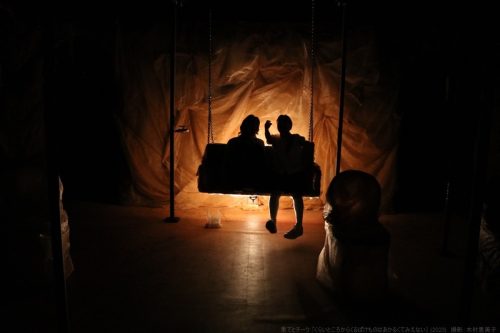
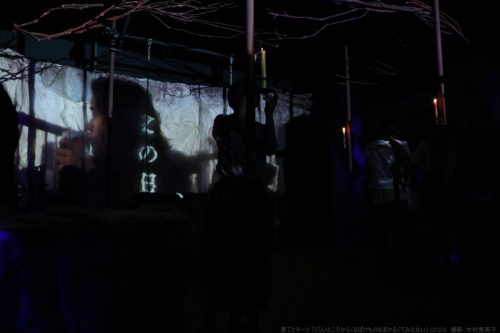
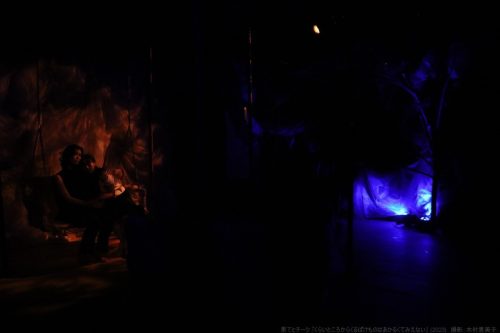
This project is a caricature of the reality of this country, which ranks 116th out of 146 countries in the gender gap, using a light dialogue drama in the style of J-horror. Revenge story of a girl (Fukui Natsu) who becomes a shrine maiden of a cult and is sexually assaulted and killed exposes the asymmetry between misogyny and misandry, and harshly criticizes methods that objectify women's "power to give birth" by linking it to divinity, such as maternity beliefs. Ueno Tetsutaro, Kawamura Mizuki, Suzuki Ayano and others gave excellent performances as people who live in hell, invisible to the majority due to gender stereotypes that still persist in Japanese society. In addition, Naoko Kawasumi gave an extraordinary performance as Chie Hayashi, a wife who is stressed by the pressure of pregnancy and devotes herself to spirituality, and as the leader who welcomes her into the bottomless swamp of faith. Sato Hideyuki and Kannamo deliver a high-definition portrayal of a husband who appears to be a "good husband" but lives by kicking others' hell. Stage art by Suzuran Ito, sound by Yokai Sakurauchi, and lighting by Minoru Ogata added convincing force to the stage, which has a lot of dynamic scenes and moves one after another.
- Period of Activity / Project
- Friday, August 18, 2023 to 27th (Sun)
- Venues
- Atelier Shunpusha (Itabashi Ward, Tokyo)
*Information such as project outlines is provided by organizations and individuals providing subsidies.
Profile
[Hate to Cheek]
A theatrical unit led by Masumi Kayo. In 2016, he started his company in Berlin, where he was studying. The unit is named after "hate and hope." It depicts the hopelessly unchanged situation of a big world and tiny people with all the hatred and the tiniest hope. Using unrealistic and extreme settings inspired by myths, classic plays, and urban legends, the film vividly portrays the transparent discrimination and divide that is ubiquitous in society through the confusion, conflict, and shocking ending of the characters.