



Joint Performance of Traditional Japanese and Cambodian Musical Instruments for the Future
*Information at the time of adoption.
- Name of the organization or individual
- WAN
- subsidy category
- Startup Grant
- Grant Type
- single year
Reiwa 5(2023) 2nd Startup Grant


Business Overview
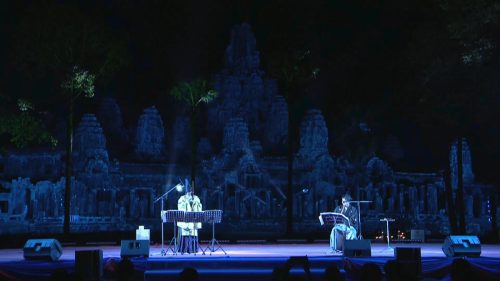
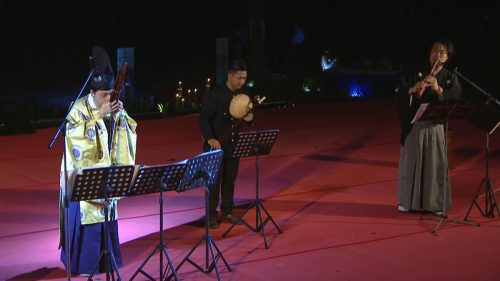
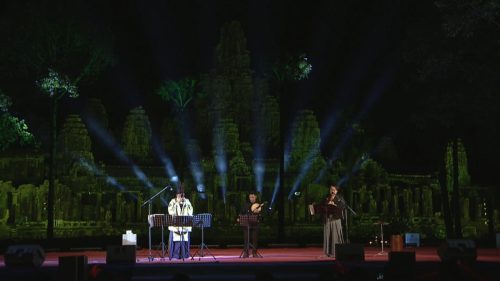
At a cultural exchange event to commemorate 70 years of friendship between Japan and Cambodia, held at the Bayon Temple, a World Heritage Site, the performance of the shakuhachi (Japanese flute) (Kuroda Suzon), sho (Japanese flute) (Dai Yuki), and Kse diev (Heang Chhun Heng), a traditional Cambodian instrument, was planned and carried out. This project lasted 30 minutes and was held 2 times. The programs are as follows:. Classical music/Shika no Enon (shakuhachi), composed by Suzuson KURODA/Smoke no Kyoku (shakuhachi), composed by Dai FUJIKURA/Ai (ai) for sho (sho), composed by Moharu KAWASHIMA/Kaison Ryokufu (Shakuhachi, Sho) (world premiere) Classical music/Dragonfly (kse diev, a Cambodian traditional instrument), composed by Yu KUWAHARA/Fantasy Etenraku (Shakuhachi, sho, Kse diev) (world premiere) While the classical music used natural color lighting to illuminate the majestic Bayon Temple, the modern music used red and blue to move beam lighting. While the event focused on UNESCO Intangible Cultural Heritage such as Noh, Gagaku/Bugaku, Khmer Court Dance, and Masquerade, this event stood out for its challenging approach of performing future-oriented contemporary music with traditional instruments from both countries.
- Period of Activity / Project
- Saturday, December 2, 2023 -3 (Sun)
- Venues
- Bayon Monastery, Angkor World Heritage Site (Siem Reap/Cambodia)
*Information such as project outlines is provided by organizations and individuals providing subsidies.
Profile
【WAN】
WAN plans and produces music performances to promote the appeal of Japanese musical instruments. In addition to introducing traditional culture by playing classical pieces, they commission composers to perform modern music using traditional Japanese instruments and create opportunities to present new traditional pieces.