


Classroom for Experiencing Traditional Japanese Musical Instruments - "Do you know about Japan?": So, Biwa, and Ichigen Koto
*Information at the time of adoption.
- Name of the organization or individual
- General Incorporated Association Monten
- subsidy category
- Traditional Arts Practice Grant
- Grant Type
- single year
Reiwa 5 (2023) Traditional Arts Practice Grant


Business Overview
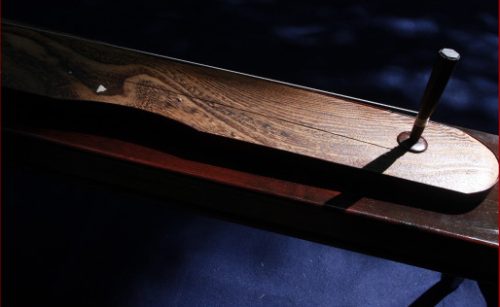
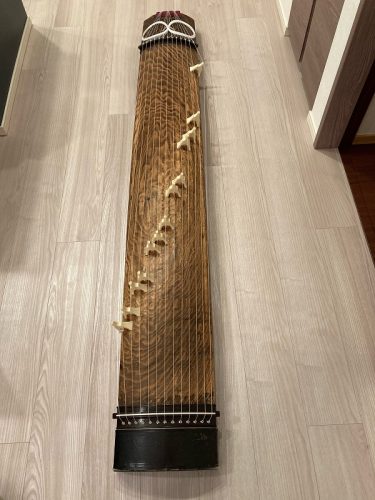
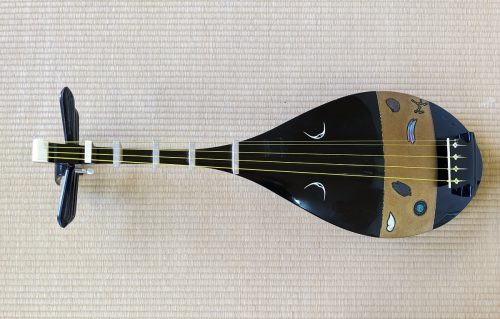
●Practical experience (recital on last day) Soh: 2024. 2/10, 11, 12 Ryogoku Monten Hall (Sumida Ward, Tokyo) Biwa: 2024. 2/16, 17, 18 Ryogoku Monten Hall (Sumida Ward, Tokyo) Ichigen Koto: 2024. 2/23, 24, 25 Ryogoku Monten Hall (Sumida Ward, Tokyo)
Events: Ichigen koto, koto, biwa (Japanese lute) [Number of times a participant can experience practical skills: 4 times (3 lessons + recitals)] Main Instructors: Koto: Yoko Nishi (instructor), Yumika Ehara, Ami Komatsu, Aya Kojima (assistant) Biwa: Miko Sakata (instructor), Akiko Kubota (assistant) Ichigen koto: Instructor: Kazuko Shinozawa (Ichiren), Kazuhiro Ogino (Ichihan), Facilitator: Kazuko Fujii (Itten), Speaker: Hakutomo Aizawa (Shirotomo) "The Tale of Genji and Ichigen Koto" Features of the Project: The course is divided into two categories according to the experience and ability of the participants. Groups (1) Elementary school to junior high school students (parents and children can also participate) Groups (2) High school students and older Participants of each course can observe other courses. The koto is one of the most familiar things in Japan, but there are many invisible tasks before and after the performance, such as preparing, tuning, and cleaning up the instrument, as well as things to be careful about in order to use it for a long time, and the mechanism of the instrument is simple but not well known. Start there. And if you actually play the instruments, you will discover many unexpected sounds, and you will be able to feel the difference in musical instruments and aesthetics of Europe. [Biwa] You will learn how to change the pitch and the afterglow while experiencing the "touch" that is a major feature of the biwa. They will then practice their assigned songs and perform their ballistics and narration at the recital. [Ichigen Koto] This is a basic way of playing the "ichigen koto," which is played for the sake of one's own heart, not for the sake of spiritual training. * Listening to a video performance by the late Issui Minegishi, the 4th head of the Cheongkyu-dong Ichigen Koto Soke [Efforts to publicize the recruitment of participants (cooperation, cooperation, network, etc.)] (1) Publicity utilizing the Sumiyume Network (2) Flyers distributed to cultural facilities in the Sumida River Basin (3) Flyers distributed to elementary and junior high schools (4) Announcement of the recruitment of participants posted in the Japanese music journal [Efforts to enable participants to continue practical experience (other than the subsidized project) after the completion of the project] (1) For those who wish to continue learning koto (koto, biwa, ichigen koto) as a hobby after the completion of the course, suitable instructors and instruments can be introduced according to individual requests and conditions. (2) The Monten Traditional Performing Arts Alumni Association was established. Exchange and recitals with lecturers, participants and spectators will continue. (3) Hold concerts where you can experience professional performances by instructors.In the hall where the participants actually took lessons and experienced the recital, the opportunity to listen to a professional performance at the same time as the practice will be created, so that they can continue to experience traditional performing arts.
- Period of Activity / Project
- Saturday, February 10, 2024 - 25th (Sun)
*Information such as project outlines is provided by organizations and individuals providing subsidies. - Venues
Profile
[General Incorporated Association Monten]
Since its opening in 1989, Monchu Ceiling Hall, the predecessor of Ryogoku Monten Hall, has enthusiastically introduced and performed various music and performances from traditional to pioneering contemporary music. Just as the town of Monzen-nakacho is embracing the old and the new to form a diverse culture, Ryogoku is also striving to provide high-quality musical experiences and cultivate a wide audience base under the theme of "tradition and modernity."