



The Ninth Tachiai Kyogenkai
*Information at the time of adoption.
- Name of the organization or individual
- NPO ACT.JT
- subsidy category
- Creation Grant
- Grant Type
- single year
Reiwa 4(2022) 1st Term Creation Grant Category I Single-Year Grant


Business Overview
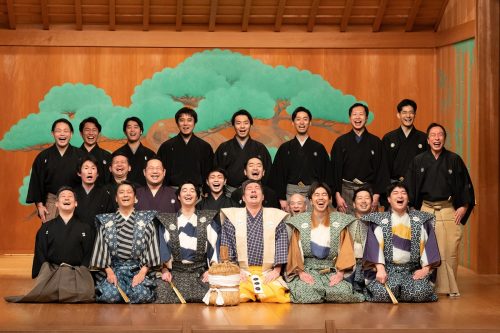
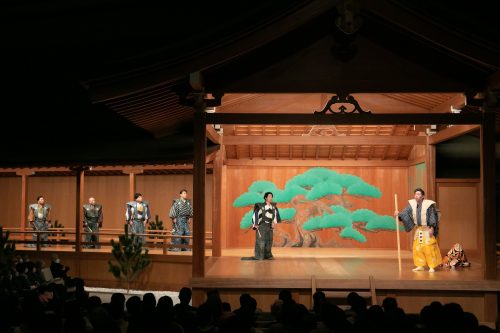
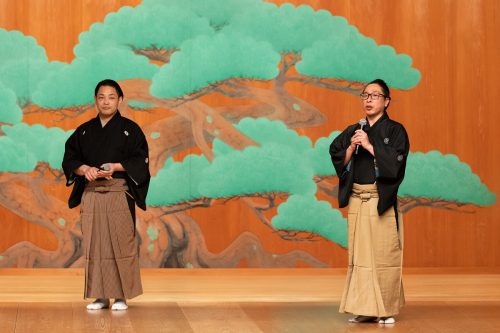
Kyogen is often performed by each family, but once a year, young Kyogen performers across schools and families come together for a performance called "Tachiai Kyogen-kai," and this is the ninth performance. This year, as a measure to prevent the spread of the novel coronavirus, the festival was held again with four kyogen and five komai. By continuing the Tachiai Kyogenkai, not only the interaction among Kyogen performers is deepened, which leads to the revitalization of the whole organization, but also the feeling that the next generation of audiences can be developed and nurtured is obtained, and the ripple effect of an increase in the number of Kyogen audiences is expected. I believe it will be an unprecedented and epoch-making performance that will contribute to the spread and development of Japanese culture. Steward: Yataro OKURA and Matasaburo NOMURA Kyogen, 'Okadayu,' Mansaku no kai kodai, 'Sarumuko (Sarumuko) (Arashiyama),' Chuzaburo SHIGEYAMA family kodai, 'Cormorant (Enoshima),' the Zentake family kodai, 'Kaizuri (Tamai),' Sengoro SHIGEYAMA family kyogen, 'Kuritobito,' the Manzo NOMURA family kyogen, 'Kakiyamabushi,' the Tojiro YAMAMOTO family kodai, 'Nanatsuko,' Kyogen Kyodosha kodai, 'Kaido-kudari,' Kyogen Yurumai-kai kyogen, 'Komeichi,' the Yaemon OKURA family.
- Period of Activity / Project
- Sunday, February 26, 2023
- Venues
- National Noh Theater (Shibuya Ward, Tokyo)
*Information such as project outlines is provided by organizations and individuals providing subsidies.
Profile
[NPO ACT.JT]
Established in 2003. It provides education, regional development, and cultural exchange with foreign countries through Japanese classical and medieval performing arts. It provides performing arts such as gigaku, gagaku, dengaku, nohgaku, and hogaku in various forms such as performances, workshops, general participation, and classes at schools. It develops activities to convey the "Japanese spirit" to the future by creating a place where people of all ages can enjoy from encounters with performing arts.