



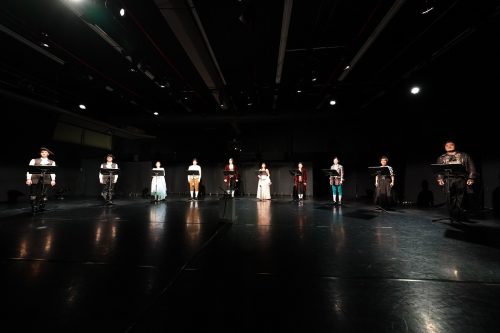
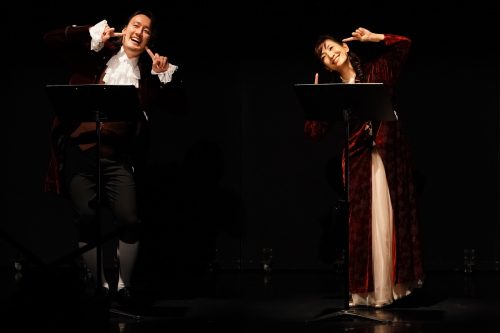
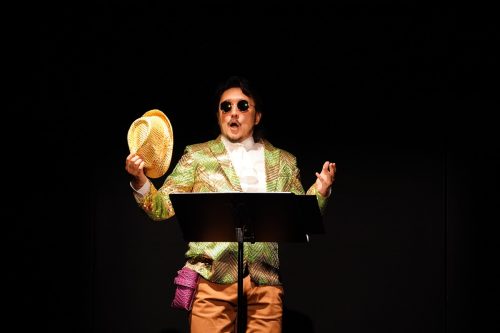
Held opera acting workshops and performed the opera "Marriage of the Barber of Seville"
*Information at the time of adoption.
- Name of the organization or individual
- Tao Shimotetsu Theater Company
- subsidy category
- Creation Grant
- Grant Type
- single year
2019 2nd term Creation Grant [Single-year grant program]


Business Overview
This project is a complex project over a period of approximately six months, combining the holding of workshops for opera singers to improve their acting skills and the presentation of the Company's original opera "The Marriage of the Barber of Seville," which also serves as a presentation of the results of the workshops. In addition to performing singers, we invited young singers to participate in several workshops aimed at improving their performance in opera. It provided a place to learn about opera performance. In this work, “The Barber of Seville ” and“ The Marriage of Figaro ” are reconstructed as a reminiscence drama, and the two works are recreated as one work. Conductor: Ryuichiro Sonoda Structure/Direction: Shimotetsu Tao Structure/Script: Jun Ieda Cast: (Figaro) Tsuneya Muramatsu, Daisuke Oyama/(Susanna) Zen-Eigyoku, Rie Miyake/(Barber of Count Seville) Shingo Shibatake/(Marriage of Count Figaro) Yuki Kuroda/(Rosina) Makiko Kame, Emma Aoki/(Kerbino) Kou Ishida, Yuki Sugiyama, Midoryo Ichijo/(Bartolo) Daiki Tanaka/(Marcellina) Miki Isochi, Naoko Toriya/(Barber of Basilio Seville) Shingo Sugio, Masashi Mori/(Marriage of Basilio Figaro) Tsura Yoshida, Yuihiro Masushima/(Piano) Kazuyo Hoshi
- Period of Activity / Project
- Monday, March 2, 2020 - Wednesday, March 31, 2021
- Venues
- Paid streaming performance 《Streaming+》
*Information such as project outlines is provided by organizations and individuals providing subsidies.
Profile
[Tao Shimotetsu Theater Company]
This organization's philosophy is "Pursuing the "artistry" and "sociality" of contemporary Japanese performing arts through practice against the backdrop of the world's performing arts scene". In terms of artistry, the theme is "the creation of new classical works that can be performed 100 years later," and the aim is not to create works for temporary consumption, but to create works that are universal throughout the world. In terms of the social aspect, we emphasize not only the performance but also the "process" of creation, and develop activities with an awareness of how to relate to society. He is committed to the development of the performing arts by creating high-quality works, focusing on opera, musical theater and straight play.