



AKUTAGAWA
*Information at the time of adoption.
- Name of the organization or individual
- Hachioji Kuruma Ningyo Nishikawa Furuyanagiza
- subsidy category
- Tokyo Tokyo FESTIVAL Grant
- Grant Type
- single year
FY 2019 Tokyo Tokyo FESTIVAL Grant Term 2


Business Overview
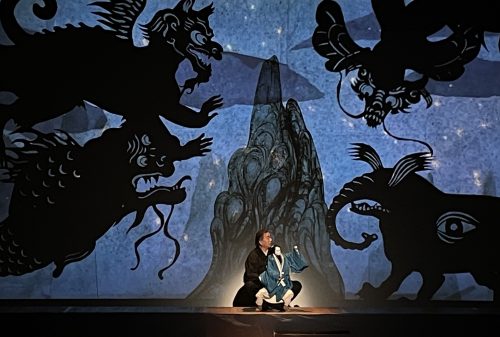
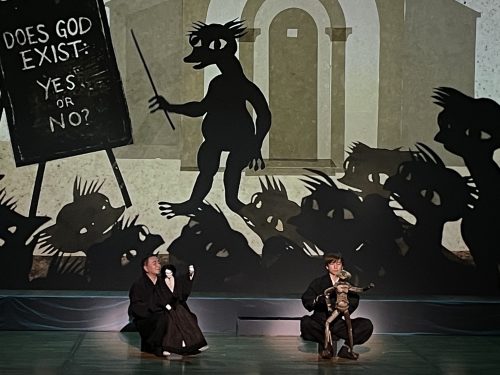
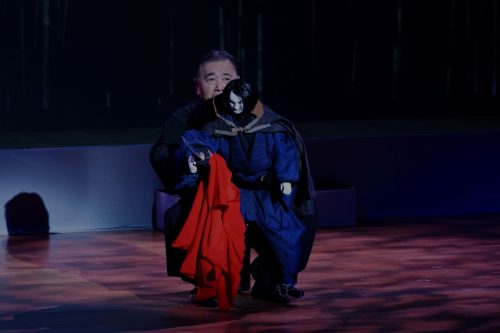
Hachioji Kuruma Ningyo Nishikawa Furuyanagi The head of the fifth generation of the troupe Nishikawa Furuyanagi and Chicago puppet theater artist Tom Lee, who has appeared in the Broadway Tony Award-winning production "War Horse," use traditional Kuruma puppet techniques, music, and images to explore the appeal of Akutagawa Ryunosuke's works that transcend national and cultural differences and appeal to modern people in this new puppet theater depicting the life of the artist himself. Sachio Tsuji, a Broadway composer, percussion instrument and shakuhachi player, performed the music, Chris Carcione, an artist who specializes in stage works using media arts, participated in the video, and Ai Kaneko, a troupe member of the Furuyanagi-za Theater and a storytelling entertainer, performed. The American team was scheduled to come to Japan, but the COVID-19 pandemic made it impossible. The film and music were produced in the United States, and the performance was rehearsed online. Produced in collaboration with the Chicago International Puppet Theater Festival.
- Period of Activity / Project
- Wednesday, June 2, 2021 ~3 (Thu)
- Venues
- Hachioji City Arts and Culture Hall (Icho Hall), small hall (Hachioji City, Tokyo)
Profile
[Hachiojiguruma Ningyo Nishikawa Furuyanagiza]
A puppet theater troupe founded around 1872. Kuruma ningyo is a technique of puppet theater devised so that one person can sit on a box with a car and use both hands and feet to control a single puppet, as opposed to bunraku, which is performed by three people. In 1981, he invented a new car doll inspired by the techniques of Otome Bunraku, and continues to innovate. He has performed in more than 30 countries around the world. 1983: Designated an intangible cultural property of Tokyo. 1993: Received the Arts Festival Award from the Agency for Cultural Affairs. 1994: Received the National Costume Traditional Culture Award and designated as a nationally selected intangible folk cultural asset.