



The 4th Masataro Imado Concert
*Information at the time of adoption.
- Name of the organization or individual
- The executive committee of 'Masataro IMATO's concert'
- subsidy category
- Creation Grant
- Grant Type
- single year
FY30 Creation Grant [Single-year grant program] 1st term


Business Overview
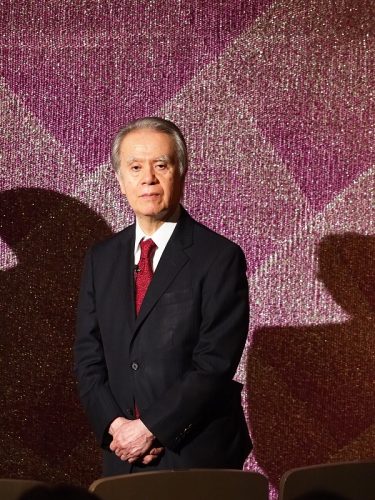
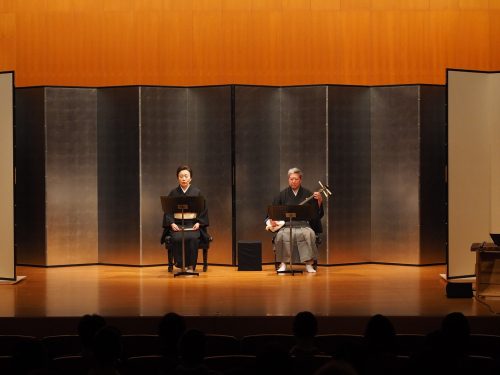
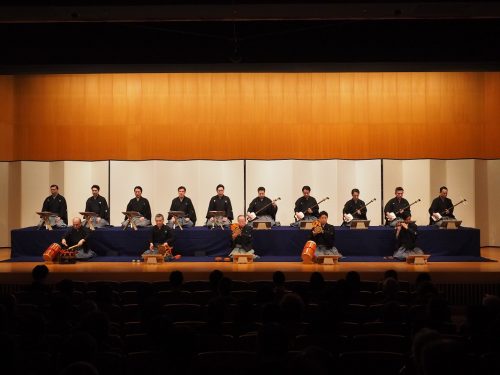
It is a concert by Masataro IMADO, a living national treasure and composer of nagauta shamisen. His works' Funato-muko 'and' Shohin Kakyoshu '(Collection of Short Poems),' Edo Ganoko Otoko Dojoji 'composed by several people including Masataro as a revival project of Edo period nagauta for which he was the leader, and' Nue '(Nue) by the next generation of Japanese music artists, which Masataro has high hopes for, were performed. Main performers: Naokichi KINEYA, Shinzo FUJIDA, Hideko KINEYA, Choichiro IMADO (singing), Seikin TOYAMA, Bijiro IMADO, Eihachiro KINEYA (shamisen), Toshiko Yonekawa (koto), and others
- Period of Activity / Project
- Tuesday, November 20, 2018
- Venues
- Kioi Small Hall (Chiyoda Ward, Tokyo)
*Information such as project outlines is provided by organizations and individuals providing subsidies.
Profile
Imato Seitaro
Born in 1935. He studied under Ishiro YOSHIMURA, the 10th, Chojuro IMADO, the 3rd, Ayako IMADO and Shotaro YAMADA. He graduated from the Department of Traditional Japanese Music, Faculty of Music, Tokyo University of the Arts. In 1962, he won the first prize in the composition section of the Tokyo Shimbun Japanese Music Contest with "Kumikyoku by Nohgakubayashi." Since then, in addition to performing, he has been active in composing music, including film music. He has received numerous awards including the Minister of Education Award for Fine Arts (2004) and the Japan Art Academy Award (2010). He is the holder of Important Intangible Cultural Property (Nagauta shamisen).