
Traditional Performing Arts Kotohajime 2018
*Information at the time of adoption.
- Name of the organization or individual
- NPO Japan Traditional Performing Arts Education Promotion Association Musubi no Kai
- subsidy category
- Creation Grant
- Grant Type
- single year
FY29 Creation Grant [Single-Year Grant Program] 1st term


Business Overview
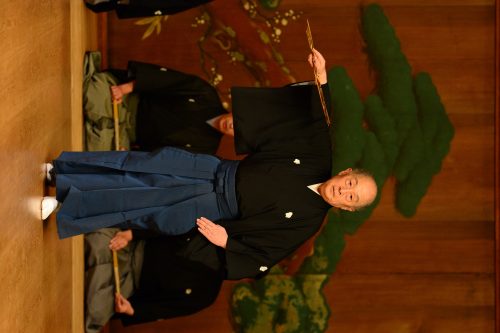
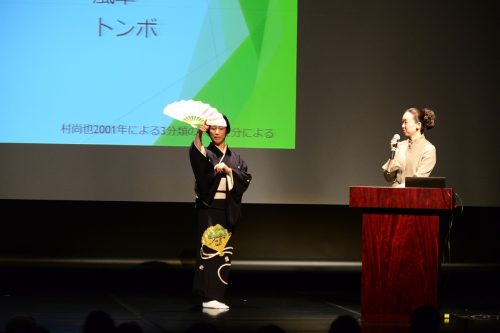
This is a series where you can learn about traditional Japanese performing arts and culture through physical experience. In the first session, fans will be used as the starting point for viewing dances by Ta no Ginko (Living National Treasure/Korean Dance), Shida Maki (Ryukyu Dance), Nishikawa Yuko (Japanese Dance), etc., lectures by researchers on the theme of fans, fan workshops, and performances of Japan-Korea joint works (first performances). In the second session, under the theme of "Vocal Techniques," participants will experience the differences in vocalization between Western music and traditional Japanese performing arts through explanations and workshops. Performers and workshops include Sagayuki (jazz vocalist), Takemototsu Komadayu (Bunraku Gidayu), Tojiro YAMAMOTO (Living National Treasure/Kyogen Kotai), etc. In addition, Tojiro Yamamoto will talk about Japanese culture.
- Period of Activity / Project
- Friday, February 23, 2018, Tuesday, February 27
- Venues
- Liberty Hall of Meiji University (Chiyoda Ward, Tokyo), Tessenkai Nohgaku Kenshujo (Tessenkai Noh Theater) (Minato Ward, Tokyo)
*Information such as project outlines is provided by organizations and individuals providing subsidies.
Profile
[Association for the Promotion of Traditional Japanese Performing Arts Education Musubi no Kai]
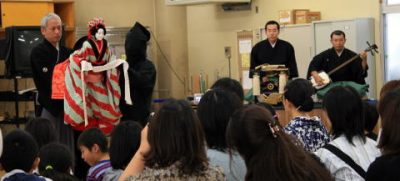
With the aim of increasing opportunities for children to learn Japanese traditional performing arts and culture through physical experience, this association has been active since 2002 with performing arts performers, school teachers and researchers.
In 2014, he began promoting Japanese culture to adults. It aims to contribute to increasing the number of people who understand Japanese culture in their own words and communicate it widely.