



Yemo Hagoromo
*Information at the time of adoption.
- Name of the organization or individual
- Ayame Juhachiban
- subsidy category
- Creation Grant
- Grant Type
- single year
FY28 Creation Grant [Single-year grant program] 2nd term


Business Overview
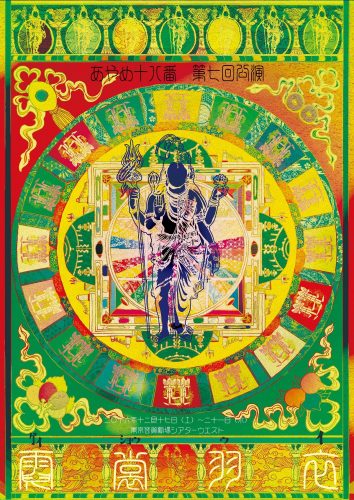
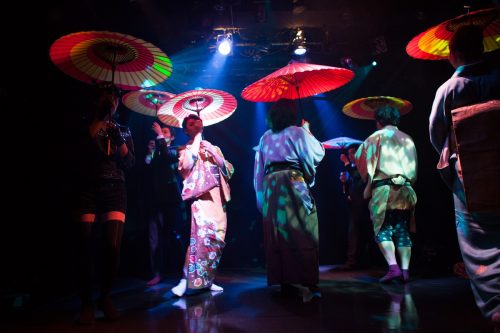
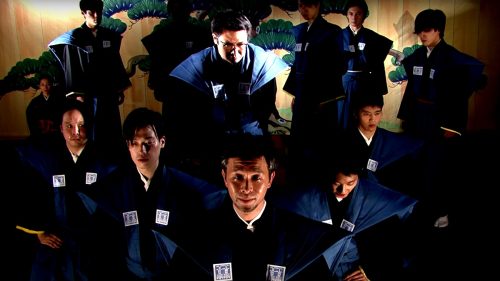
Horikoshi Ryo, who has played an actor of female roles in the neo-kabuki troupe Hanakumishibai, takes on the challenge of a forged onnagata play in which only male actors play female roles. Dakini, the goddess of lust, was punished by being crushed under a big rock because her legal wife, Parvati, discovered her illicit affair with Shiva, the god of destruction. Durkinny, unable to bear his sentence, asks the human girl to chisel a large rock. In exchange for immortality, the girl took up a flea. The innocent girl had no idea that it would be a curse that would last for generations. [Script/Direction] Ryo Horikoshi (Ayame Juhachiban) [Performers] Kota Sasaki (Ayame Juhachiban) Takuya Nibe, Hiroshi Kitazawa, Daisuke Kobayashi, Megumi Misaitsu (That's all, Hanakumishibai), Yusuke Umezawa (Umebo), Ryunori Wachi, Ryohei Shioguchi, Yoshihiro Kumano (Chari T Kikaku), Masayuki Tanaka, Kento Mizusawa, etc. [Performers] Noh Yoshida (Hanaborire), etc. [Staff] Stage Director: Ayumu Doi, Lighting: Kaori Minami (LICHT-ER), Sound: Ryohiro Tanaka (Paddy Field,), Production: Mariko Omori, Yuka Kaneko (That's all, Ayame Juhachiban.), etc.
- Period of Activity / Project
- Wednesday, Saturday, December 17, 2016 – 21st
- Venues
- Tokyo Art Theater (Toshima Ward, Tokyo)
*Information such as project outlines is provided by organizations and individuals providing subsidies.
Profile
[Ayame Juhachiban]
A theatrical unit started in 2012 by Hanakumishibai actor Horikoshi Ryo.
Based on various Japanese classical performing arts such as Kabuki, Noh, Joruri, etc., he creates from both sides, stealing the essence of the classics and sublimating it into modern dramas, and reconstructing the classical dramas with the modern sense.
All of his works are themed on the unique Japanese sense and aesthetic, creating "Japanese modern" theater. It is also characteristic that all the music in the play is performed by live music, such as geza music in Kabuki and hayashi in Rakugo.