


Original koto ensemble project
*Information at the time of adoption.
- Name of the organization or individual
- Japan Sankyoku Association
- subsidy category
- Social Grant
- Grant Type
- single year
FY28 Social Grant 1st term


Business Overview
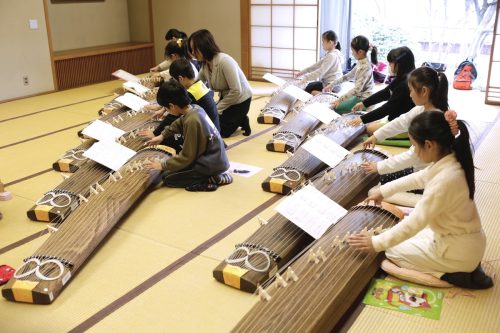
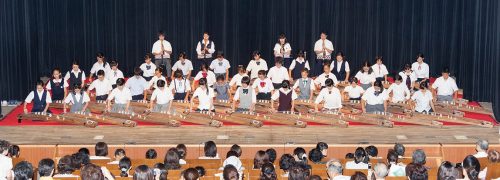
This program is intended to be part of the cultural program for the Tokyo Olympic and Paralympic Games to be held in 2020. The aim was to establish local and school clubs for children to play okoto, and to continue lessons until 2020, and to perform original koto music for the Olympic and Paralympic Games in various places in 2020. The purpose of this project is to provide Japanese and visiting foreigners with opportunities to appreciate Japanese music through the enthusiastic performance of children, to show the state of efforts to maintain and pass on traditional culture, and to provide children with social and emotional education so that they can learn how to play traditional Japanese musical instruments, increase their interest in and deepen their understanding of Japanese culture as a whole. For this purpose, Nihon Sankyoku Kyokai (Japan Sankyoku Association) arranges training venues, instructors and instruments (okoto), and in the first year, it is planned to set up about three places in Tokyo and to increase the number in the following year.
- Period of Activity / Project
- May 1, 2016 to March 31, 2017
- Venues
- Tokyo Wards and Tama Area
Profile
Nihon Sankyoku Kyokai (Japan Sankyoku Association)
our association was established to promote koto, sangen and shakuhachi and to promote exchanges among schools of sankyoku, thereby contributing to the promotion of traditional Japanese art and the development of traditional Japanese music culture. our association is characterized by many performers, who are said to be the masters in the world of sankyoku music, regardless of school, including four holders of Important Intangible Cultural Properties (individually certified). As of the end of March 2016, there were 5,280 members.