


Machinaka Japan Nippon Music Band has arrived!
*Information at the time of adoption.
- Name of the organization or individual
- Seipa Hogakukai
- subsidy category
- Creation Grant
- Grant Type
- single year
FY28 Creation Grant [Single-year grant program] 1st term


Business Overview
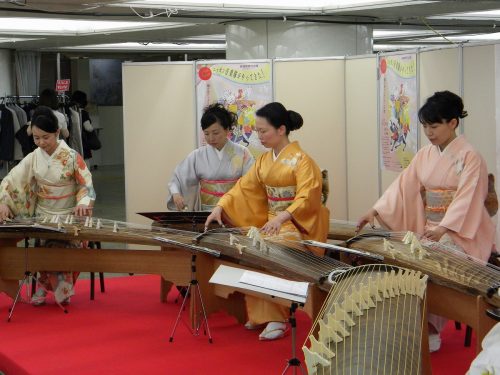
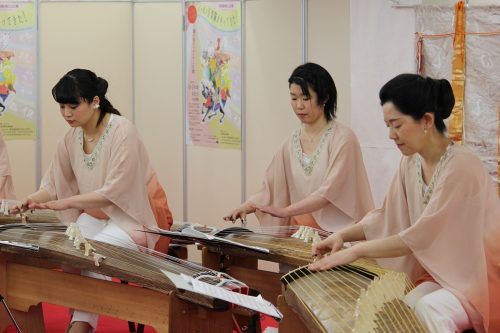
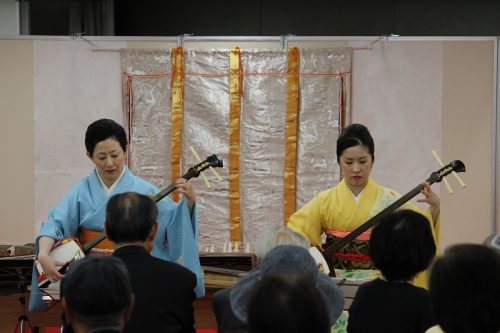
This project was designed to convey the appeal of traditional Japanese music to a wider audience in an easy-to-understand way by performing live performances free of charge, using traditional Japanese instruments such as the koto and shamisen, which are rarely seen or heard. In addition, in preparation for the 2020 Tokyo Olympic and Paralympic Games, we would like to contribute to the improvement of the artistic and cultural environment of the city by actively disseminating Japanese culture. In this project, young musicians form a unit of 3~5 and perform 18 40 minute performances over 2 days. The program includes Rokudan no Cho, Japanese children's songs, contemporary Japanese music, Western classical music and pop music, and is designed to be enjoyed by children, the elderly, and foreign tourists. Cast: Member of Seipa Hogakukai (Graduates of the Seiha Conservatory of Music, members of the Seiha ensemble, graduates of Tokyo University of the Arts, and others)
- Period of Activity / Project
- Friday, June 3, 2016 and 4th (Sat)
- Venues
- Shinjuku Station West Exit Square Event Corner (Shinjuku Ward, Tokyo)
Profile
[Public Interest Incorporated Foundation Seiha Hogakukai]
The Public Interest Incorporated Foundation Seiha Hogakukai is one of the schools of Ikuta school sokyoku, founded in Nagano City in 1913 by the first iemoto, Nakajima Gagakunoto, and moved its headquarters to Tokyo in 1920. In 1979, Yasuko NAKAJIMA became the second iemoto. Since its establishment, the school has focused on publishing public scores, and has established a qualification system based on examinations that emphasize theory. In 1947, he founded the Seiha Ensemble, and as a pioneer of Japanese music ensembles, he continues to perform a wide range of music to this day. In 1959, the school established the Seipa Music Academy, which has produced many outstanding musicians.