



Ensemble Muromachi Carpe Diem ~Every Day a Good Day~


Business Overview
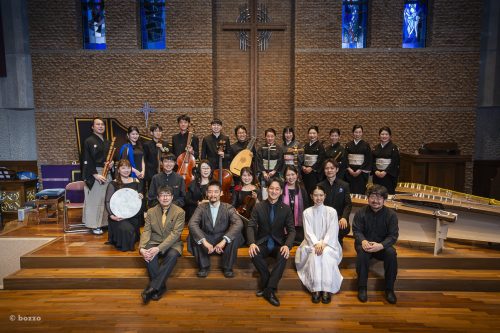
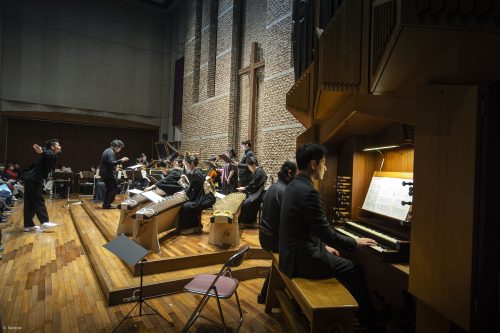
Featuring Natsuta Masakazu as the theme composer, the first half weaves together tranquil moments that bring relaxation and introspection to our daily lives through recitation of poetry and instrumental music, and the second half dramatizes encounters with love and bereavement that sometimes violently shake our lives through vocal music and dance. Whether we spend time alone in nature reflecting on our thoughts or when human beings fiercely clash with each other with their raw emotions, in our lives, which will eventually come to an end, we are equally precious as "nichi nichi korekojitsu." The fundamental nature of human life remains the same despite the differences in time and country, and this is brought to light through sound and words in contrast to static and dynamic.
< Part 1 > Recitation: Yukawa Hina Aprés-midi pensive,Soir de juin,Sunlight f il tering through trees in Autumn, Layered Song from Long Ago
< Part 2 > Contemporary Dance: Shimaji Yasutake Kyokako Musume Dojoji (excerpt written by Yasaburo KINEYA I),Das Liebesduett von Tristan und Isolde, From Azuma Kagami "Shizuya Shizu" (written by Akiko Kubota), Air de la complainte d’Orphée
- Period of Activity / Project
- Thursday, March 12, 2026 - Friday, March 13, 2026
- Venues
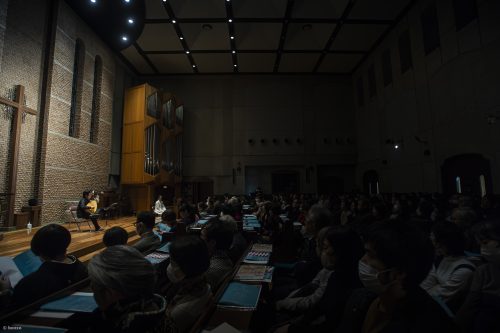
- Japan Evangelical Lutheran Tokyo Church
Profile
[Ensemble Muromachi General Incorporated Association]
The world's first ensemble of "old instruments" from Europe and Japan, namely instruments from the Renaissance and Baroque period in Europe and traditional instruments from Japan. Formed in 2007 by a French harpsichord and composer Laurent Teschnet, they held their first performance titled "Toyotomi Hideyoshi's Dream" at the Kitatopia International Music Festival (Tsutsuji Hall) in the same year. The name Muromachi comes from the Muromachi period (16 century) when European musical instruments were introduced into Japan.
He has collaborated with artists of various genres such as composers, dancers, dancers, actors, and vocalists, aiming to create new artistic expressions from the multicultural dialogue of "Europe + Japan." The current ensemble includes more than 60 players of traditional Japanese and Western instruments. Kensuke Ohira became artistic director in 2022.