



Traditional Live "Sakuragaku ~ Biwa, Koto, Shamisen"
*Information at the time of adoption.
- Name of the organization or individual
- NPO ACT.JT
- subsidy category
- Creation Grant
- Grant Type
- single year
Reiwa 4 (2022) Creation Grant Category III Projects that contribute to the improvement of the artistic creative environment [Single-year grant 2nd term]


Business Overview
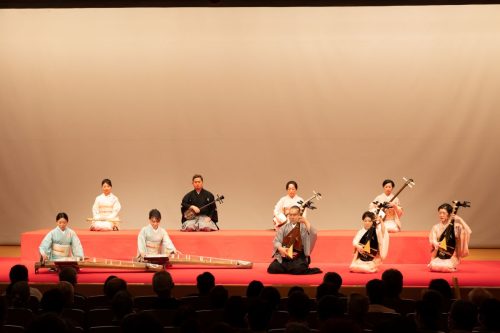
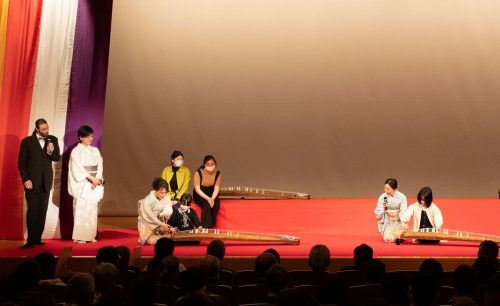
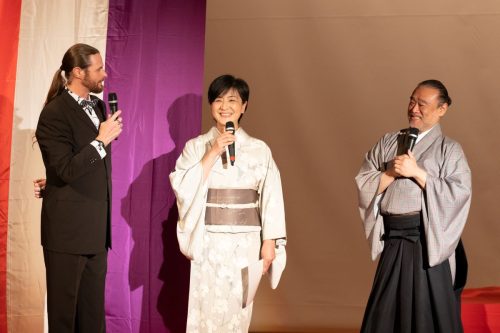
With the aim of enjoying Japanese traditional performing arts during the cherry blossom season, we held a live concert called "Sakuragaku" featuring biwa, koto, shakuhachi and shamisen. It provided an opportunity for musicians of various genres to gather and interact with each other, and contributed to disseminating the appeal of Japanese music through concerted efforts by musicians. MC/Mariko Hikawa (available in Japanese)/Sein Camus (available in English) Biwa/Tsurushin Tomoyoshi, "Horaizan" Tsuruso Yoshinaga, Yuko Mizushima, "Nasu Yoichi" So/Erina Ito, "Midare" Yuuko Watanabe, "Chidori no Kyoku" Rengo, "Sarashi-fu-tegoto" Biwa and So/Yoshinaga, Mizushima, Ito, Watabe, "Haru no Utage" Shakuhachi/Esan Tanabe, "Crane no Nukago" and "Kari" Sankyoku/Watanabe Ito Tanabe, "Onoe no Matsu" Uta Sanshin/Riichi Kino, "Honkatekyu," Nagauta-shamisen/Maya Yamao, "Tamagawa," Tsugaru-shamisen/Shiho Tanaka, "Tsugaru Aiyabushi" Ensemble/All "Sakura" Audience Participation, "Katyashi" Stage Composition/Tsurushin Tomoyoshi
- Period of Activity / Project
- Sunday, April 2, 2023
- Venues
- Kioi Small Hall (Chiyoda Ward, Tokyo)
*Information such as project outlines is provided by organizations and individuals providing subsidies.
Profile
[NPO ACT.JT]
Established in 2003. It provides education, regional development, and cultural exchange with foreign countries through Japanese classical and medieval performing arts. It provides performing arts such as gigaku, gagaku, dengaku, nohgaku, and hogaku in various forms such as performances, workshops, general participation, and classes at schools. It develops activities to convey the "Japanese spirit" to the future by creating a place where people of all ages can enjoy from encounters with performing arts.