



“Nue ga hashiru”


Business Overview
In the late 1930s, two nues made a leap in the dark in the magical city of Shanghai.
Tajima Satoru, also known as the Opium King, managed the opium trade throughout China using underground organizations and personal connections connected to the establishment of Manchukuo through intelligence and propaganda activities, and supported the army with the huge amount of money gained from the trade.
After being imprisoned three times for his radical right-wing activities, Kazumi Oiso went to Shanghai and established an organization to procure supplies for the Naval Aviation Headquarters. Using the remaining assets he gained there, he became a fixer who manipulated the political and business world behind the scenes after the war.
As the Army and Navy clashed over the financing needed to develop and produce a new fighter jet, what the two nues set out for ......
Staff
Production = Nogi Moegi Direction = Kuroiwa Ryo
Art = Abe Ichiro Lighting = Nakagawa Ryuichi
Sound = Kido Tomoyuki Costume = Sandaiji Shihomi
Stage Director = Obana Makoto
Production = Shiun Koichi, Tanaka Yuri
Cast Members
Tajima Satoru = Ishimoda Shiro, Oiso Kazumi = Yamazaki Hideki
Yura Hideo = Ichihashi Megumi, Takarada Junnosuke = Shikano Soken
Nakarai Shinji = Sakuragi Shinsuke, Seyama Gota = Ishii Jun Shiroya Fuyuko = Kiyose Hikari, Tsuta Gotoshi = Hirao Hitoshi
- Period of Activity / Project
- Sunday, February 15, 2026 to 23rd (Mon/Holiday)
- Venues
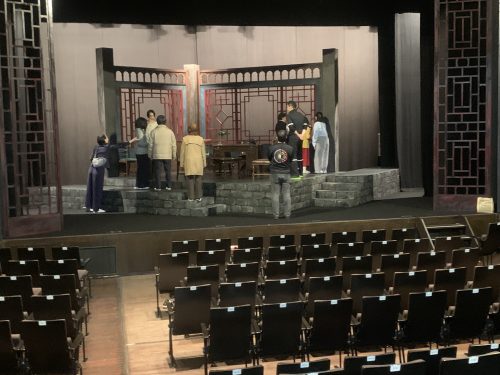
- Tokyo Metropolitan Art Theater Theater Theater West (Toshima Ward, Tokyo)
- Viewing Support Contents
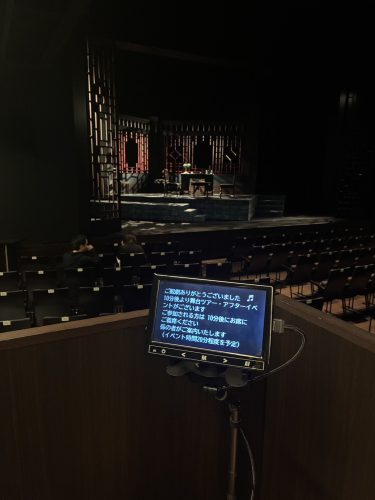
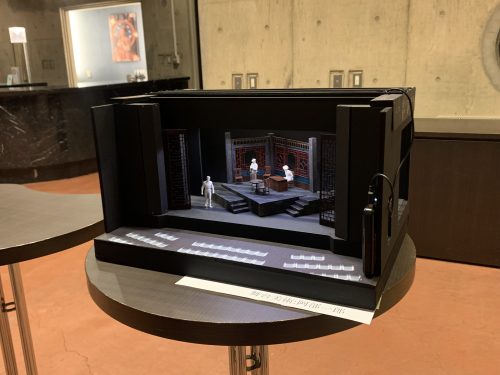
- Voice guide, subtitled tablet, one helper free of charge, advance lending of script, written communication at reception, wheelchair accessible, stage briefing, tactile model
- Viewing Support Date and Time
- Friday, February 20, 2026, 21st (Sat)
Profile
【Seinenza Theater Company】
Seinenza was launched in 1954 by ten young actors from the Haiyuza Theater Company seeking to stage original works depicting the present reality of Japan. The group currently numbers 200 members and apprentices. Its repertoire includes a broad range of foreign dramas and classic works as well as original productions, but its basic philosophy is unchanged. Seinenza wants to contribute to the democratic evolution of Japanese theater through continuous generation of new pieces, aiming to enhance Japanese culture through the performing arts.