



Kashiwaba-kai


Business Overview
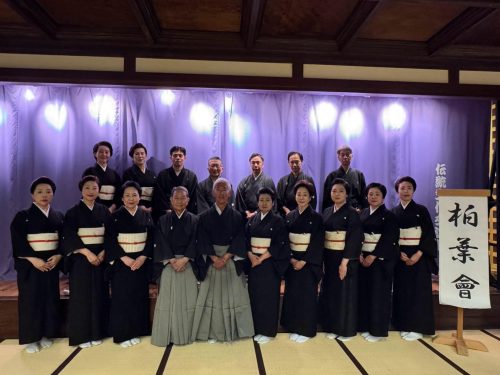
This concert was held to let as many people as possible in Japan and overseas know the charm of Kiyomoto-bushi, and pieces that were easy to understand were selected. In addition, young female performers, who usually have few opportunities to perform on stage, were employed to improve their skills. On this occasion, women's awareness of Kiyomoto remarkably improved. Also, there were many visitors who had never heard Kiyomoto's original performance, and they were interested.
Program:
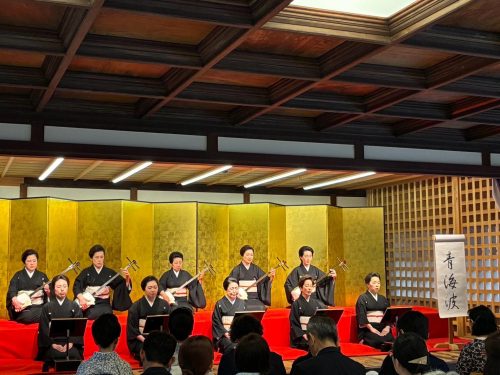
(1) "Seigaiha" performance
Female Joruri: Kiyomoto Nobuyuki, Kiyomoto Nobuyuki Hiroshi, Kiyomoto Nobuyuki Hana, Kiyomoto Nobuhiro Sae, Kiyomoto Nobuyuki Shuwa
Female Shamisen: Kiyomoto Enchisu, Kiyomoto Nobuyuki Aya, Kiyomoto Nobuyuki Ka, Kiyomoto Nobuyuki Rei, Kiyomoto Nobuyuki Ho
(2) "Omatsuri" performance
Male Joruri: Kiyomoto Enju Tayu, Kiyomoto Shisu Odayu, Kiyomoto Miyoshi Tayu, Kiyomoto Ittayu
Male Shamisen: Kiyomoto Shijuro, Kiyomoto Yujiro, Kiyomoto Shiju Saburo
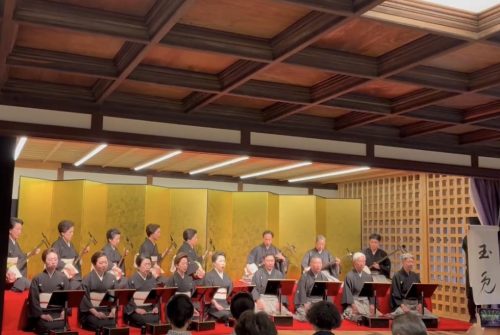
(3) "Gyokuto" performance
Male Joruri + Male Shamisen + Female Joruri + Female Shamisen
- Period of Activity / Project
- Sunday, July 5, 2026
- Venues
- Minato Ward Museum of Traditional Culture (Minato Ward, Tokyo)
Profile
"Enju-kai (Kiyomoto Soke Takanawa-kai)"
Kiyomoto-bushi is a type of shamisen music and joruri. It was founded by KIYOMOTO Enjutayu the first in 1814 and is currently succeeded by the seventh iemoto Enjutayu (succeeded to the name in 1989), and was designated an Important Intangible Cultural Property in 2014. Although Kiyomoto's main activity is on the Kabuki stage (Kabuki-za Theater, etc.), Enjukai (Takanawa-kai, the head family of Kiyomoto) is making an effort to spread Kiyomoto itself by performing without any music.