


Gagaku and Poetry Seminar


Business Overview
When we hear the word 'gagaku,' we have a strong impression of 'kangen' and 'bugaku,' which have their roots in music and dance from the continent, but the categories of gagaku include utamono, that is, utamono from ancient Japan and utamono developed during the Heian period (Saibara and Roei), which play such an important role that we cannot consider gagaku as a traditional performing art without them.
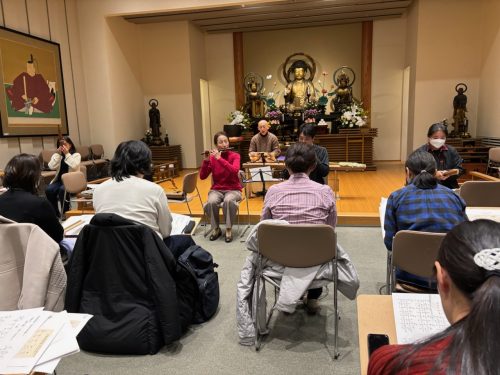
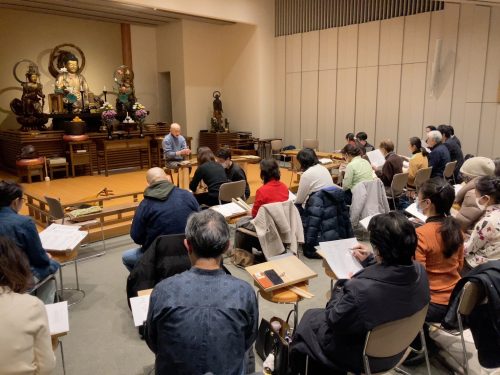
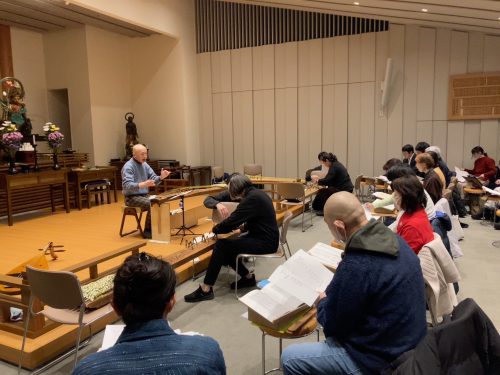
Based on the achievements of Reigakusha in the past, they planned a utamono experience project. In addition to singing songs, they also sang with accompanying instruments and experienced a formal performance.
Experience the following songs from Roei, Saibara and Kokufu Utamai.
(1) 'Roei,' which is composed of Chinese poems with melodies (such as Katatsu)
(2) 'Saibara,' which is composed of folk songs from various regions arranged in the style of gagaku (Koi, recomposed works of Sukeyasu SHIBA, Umee, Mimasaka, etc.)
(3) 'Kyuchu Mikagura no gi,' which is an important program of traditional Japanese folk dance (Achime Manners, Chitose, Sokoma, etc.)
(4) 'Sakaorigu Kagurauta,' which was composed and composed by Sukeyasu Shiba
Lecturer: Takashi ISHIKAWA Supporting actor: Reigakusha members
- Period of Activity / Project
- Thursday, November 20, 2025/Thursday, November 27/Thursday, December 4/Thursday, December 11
- Venues
- Hondo (main hall) of Senbiya Hall
Profile
[General incorporated association Reigakusha]
A gagaku performance group founded in 1985 for the purpose of studying the ensemble of gagaku.
It was founded by Sukeyasu SHIBA and served as music and music director until 2019. Current music director Miyata Mayumi.
In addition to the current classical pieces of Gagaku, he has been engaged in a wide range of activities both in Japan and overseas, including the reproduction of abolished pieces, the restoration of Shosoin musical instruments, and the commission and performance of contemporary works. As an independent project, he continues to hold three performances in total, including regular performances twice a year and one gagaku performance for children.